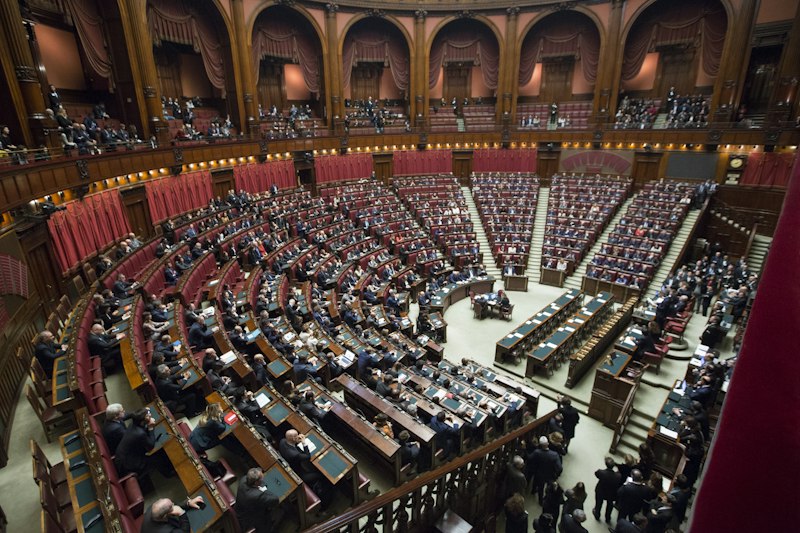
When the Finance Minister rose in the House of Commons last Tuesday, most observers expected a cautious document — a few targeted measures, some language about fiscal responsibility, and a commitment to return to balance by the end of the decade. What they got instead was something that felt, at least in its ambitions, like a genuine departure from the spending restraint that has defined federal budgets for the better part of fifteen years.
The centrepiece of the update is a $47-billion infrastructure commitment spread over seven years. It covers transit corridors in six major cities, highway rehabilitation in three prairie provinces, and — notably — a broadband expansion program targeting communities that have been waiting for reliable internet access since the early 2000s. The government calls it the National Connectivity Initiative. Critics call it an election platform dressed up as fiscal policy.
What the numbers actually say
The deficit projection for the current fiscal year has been revised upward to $28.4 billion, from the $22.1 billion forecast in the fall. Officials attribute most of the increase to slower-than-expected revenue growth and higher debt-servicing costs. The infrastructure spending, they argue, is largely offset by projected economic returns — a claim that independent economists have greeted with varying degrees of scepticism.
"The multiplier assumptions in this document are optimistic," said one economist at the University of Toronto who asked not to be named because of ongoing work with a federal agency. "That doesn't mean the spending is wrong — it might be exactly what the country needs — but the math deserves more scrutiny than it's getting."
On the other side of the ledger, the government is projecting a return to balance by 2031-32, a timeline that several fiscal watchdogs have already flagged as contingent on growth assumptions that may not materialize if global trade conditions deteriorate further.
The politics of the moment
The timing matters. With a federal election expected within eighteen months, the budget reads in places like a document written with two audiences in mind: the bond markets, which need to be reassured that Canada's fiscal trajectory remains sustainable, and voters in suburban ridings where transit and housing affordability have become defining issues.
Opposition parties have staked out predictable positions. The Conservatives are warning of a debt spiral. The NDP say the infrastructure spending doesn't go far enough and is too heavily weighted toward urban centres. The Bloc has focused its criticism on the federal government's encroachment into areas of provincial jurisdiction.
What's harder to read is the reaction from the provinces. Several premiers have welcomed the transit funding while expressing reservations about the conditions attached to it — particularly requirements around density and land-use reform that the federal government has tied to transit dollars in a move that has no real precedent in Canadian fiscal federalism.